

Bridging the gap between
science and decision-making
The Center for Climate Adaptation Science and Solutions is a unit within the Arizona Institute for Resilience (AIR).
Our vision is a more resilient world that incorporates science into sound management choices in the context of global change.
The Center for Climate Adaptation Science and Solutions (CCASS) brings together a wealth of expertise at the University of Arizona to support sound management choices in the context of climate change, linking science, information needs of managers, and decision-making.
We provide services and benefits to both stakeholders and affiliates from the UA as they work to connect rapidly evolving scientific understanding of a changing climate with management practices in the U.S. and internationally.

Advisory Team
The CCASS Advisory Team is made up of 17 highly engaged and interdisciplinary experts who work on adaptation from 10 different departments and organizations on campus.
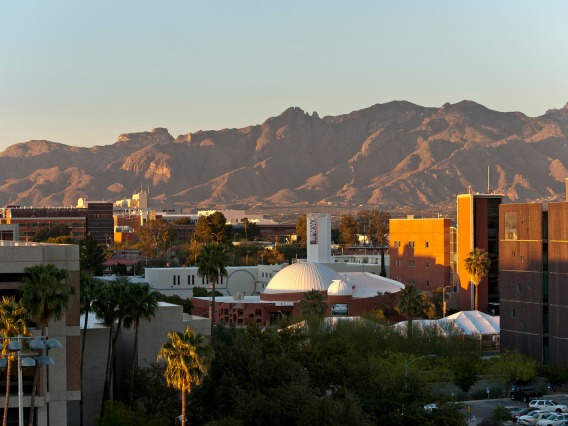
Find an Expert
CCASS collaborates with 45+ individuals on campus involved in adaptation projects around the world. We leverage knowledge and expertise from many different disciplines.

Theme Areas
CCASS supports new ways of thinking. We serve as a convener of people, ideas, and processes. Our work aims to foster collaboration, resilience, and adaptation.
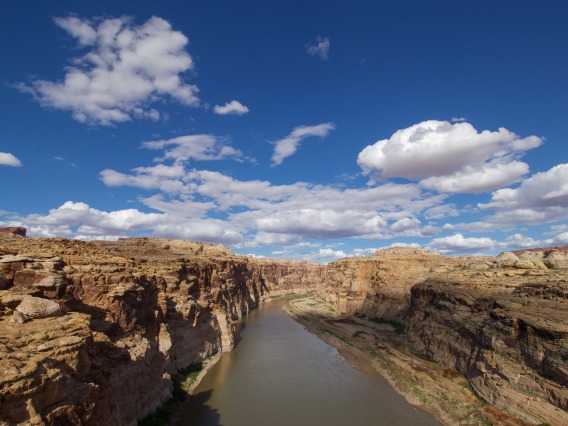
Colorado River Work
CCASS works on multiple projects related to the Colorado River. We collaborate with stakeholders across the basin to contribute ideas for future river management.
News & Highlights

Events
There are no upcoming events listed.